
Community
Texas Governor-elect Gina Hinojosa to hold first press conference
By Samantha Kim
Advertisement · Why this ad?
Samantha, a journalism graduate from the University of Texas at Austin, has spent six years covering local events for the Round Rock Leader. Her passion for community engagement drives her coverage of local festivals, fundraisers, and cultural happenings.
More from Samantha →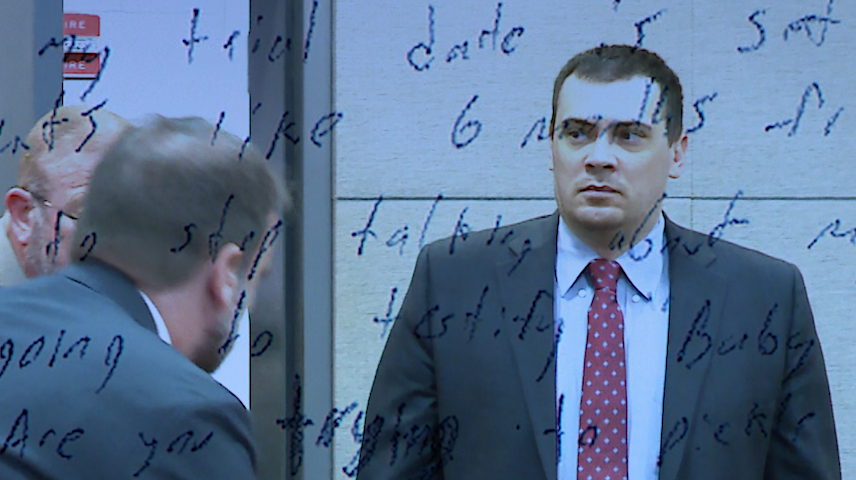
On a chilly December morning, the Round Rock community was rocked by news that would send ripples through its fabric. Families gathered around breakfast tables, their conversations punctuated by disbelief and concern. The local news was abuzz with updates on the ongoing capital murder trial of Shane James, a man accused of taking the lives of six individuals in a tragic incident that unfolded on December 5, 2023. As the details emerged, residents found themselves grappling with questions of justice, mental health, and the safety of their beloved community.
The courtroom drama began as prosecutors laid out their case against Shane James, presenting evidence that painted a harrowing picture of the events that transpired that fateful day. The prosecution alleges that James, despite his mental health struggles, committed a premeditated act of violence that resulted in the loss of six lives. The victims, whose families now seek justice, are at the forefront of this trial, and their stories resonate deeply within the Round Rock community.
Defense attorneys, however, are mounting a vigorous argument for James’s legal insanity, highlighting his diagnosis of schizophrenia. They assert that his mental state at the time of the incident rendered him incapable of understanding the nature of his actions. This complex interplay of mental health and criminal responsibility has become a focal point of the trial, prompting discussions about the broader implications for families affected by mental illness.
As the trial unfolds, new evidence has come to light, including letters written by James during his time in jail. These letters may provide insight into his mental state, offering a glimpse into the mind of a man grappling with profound challenges. The prosecution and defense are both keenly aware of the potential impact these letters could have on the jury's perception of James and the events that transpired.
The atmosphere in Round Rock is palpable as residents react to the unfolding trial. Many express a mix of anger and sorrow, grappling with the reality that such a tragedy could occur in their midst. Local community leaders have organized gatherings to support the victims' families, emphasizing the need for compassion and healing in the wake of this tragedy.
“We are a close-knit community, and when something like this happens, it affects us all,” said Maria Gonzalez, a local activist and mother of three. “We need to come together, support each other, and ensure that our voices are heard.” Community members have taken to social media, sharing their thoughts and prayers for the victims and their families, while also advocating for more mental health resources to prevent similar incidents in the future.
The trial has sparked a broader conversation about mental health awareness and the resources available in Round Rock. Many residents are calling for increased support systems for individuals struggling with mental illness, emphasizing that understanding and compassion can lead to better outcomes for those in need. Local organizations, such as the National Alliance on Mental Illness, are stepping up to provide education and resources for families navigating these challenges.
“Mental health is just as important as physical health, and we need to break the stigma surrounding it,” said Dr. Emily Chen, a local psychologist. “It’s crucial that we create an environment where individuals feel safe seeking help.” As the trial progresses, the community’s commitment to fostering a more supportive environment for those with mental health issues is becoming increasingly evident.
The legal complexities surrounding the trial of Shane James are significant. The defense's assertion of legal insanity raises important questions about accountability and the role of mental health in the justice system. In Texas, the legal standard for insanity requires that a defendant lacks the capacity to understand their actions due to mental illness. This standard is often challenging to prove, and the jury's decision will ultimately hinge on the evidence presented by both sides.
As the trial continues, legal experts are closely monitoring the proceedings, recognizing that the outcome could set a precedent for future cases involving mental health defenses. “This trial is not just about one man’s actions; it reflects the ongoing struggle to balance justice with compassion for those who are mentally ill,” said attorney Samuel Reed. “The implications of this case could resonate far beyond the courtroom.”
Behind the legal arguments and courtroom drama lies the very real impact on families who have been touched by this tragedy. The victims’ loved ones are navigating their grief while seeking justice, and their voices are essential in this narrative. Community vigils have been organized, allowing residents to come together in remembrance of those lost and to support one another through the healing process.
“It’s heartbreaking to think about what these families are going through,” said local pastor John Matthews. “As a community, we need to stand with them, provide comfort, and ensure that they feel our love and support.” The church community has rallied around the victims’ families, offering counseling and assistance as they navigate the complexities of grief and loss.
As the trial of Shane James unfolds, the Round Rock community stands united in its quest for justice and healing. The conversations sparked by this tragedy are crucial, as they encourage residents to reflect on the importance of mental health awareness, community support, and the need for resources to help those in need. The outcome of this trial will undoubtedly leave a lasting impact, shaping the way Round Rock addresses mental health and community safety moving forward.
In the coming weeks, residents will continue to follow the trial closely, attending court hearings and participating in community discussions. The hope is that through this process, the community can emerge stronger, more compassionate, and better equipped to support one another in times of crisis. Round Rock has always been a place where families come together, and as they face this challenge, that spirit of unity will be more important than ever.
In addition to the organized support for victims' families, many individuals are stepping forward to share their stories and experiences related to mental health. Local schools have initiated programs to educate students about mental health, aiming to foster a culture of understanding from a young age. “We want our kids to know that it’s okay to talk about their feelings,” said Round Rock High School counselor Sarah Lopez. “By normalizing these conversations, we hope to prevent tragedies like this from happening in the future.”
Furthermore, local businesses are joining the effort, with some offering workshops and seminars on mental wellness. The Round Rock Chamber of Commerce is collaborating with mental health professionals to create resources for employers, ensuring that workplaces can provide support for employees who may be struggling. “A healthy workforce is a productive workforce, and we need to take mental health seriously,” said Chamber President Mark Thompson. “We’re committed to making a difference.”
As the trial progresses, the community is bracing for the verdict, which is expected to be delivered in the coming months. This decision will not only determine Shane James's fate but will also resonate throughout Round Rock, influencing local policies on mental health and community safety. Advocates are hopeful that regardless of the outcome, the trial will serve as a catalyst for change, prompting local officials to prioritize mental health initiatives and support systems.
“We must learn from this tragedy,” said Maria Gonzalez. “It’s time for our community to come together and ensure that we have the resources necessary to support those in need. We owe it to the victims and their families.” The resilience of Round Rock is evident as residents prepare to advocate for a future where mental health care is accessible and stigma-free, ensuring that no one suffers in silence.
By Samantha Kim

By Samantha Kim

By Samantha Kim
By Samantha Kim