Community
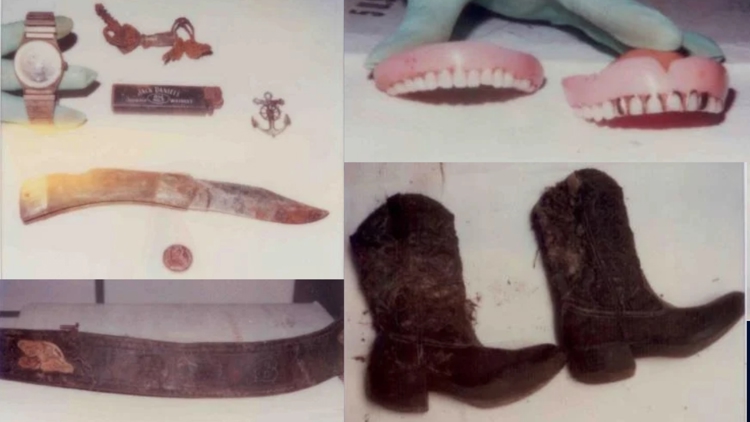
He was found wearing a belt with the initials 'RB' in Humble in 1987. Who was he?
By Samantha Kim
Advertisement · Why this ad?
Samantha, a journalism graduate from the University of Texas at Austin, has spent six years covering local events for the Round Rock Leader. Her passion for community engagement drives her coverage of local festivals, fundraisers, and cultural happenings.
More from Samantha →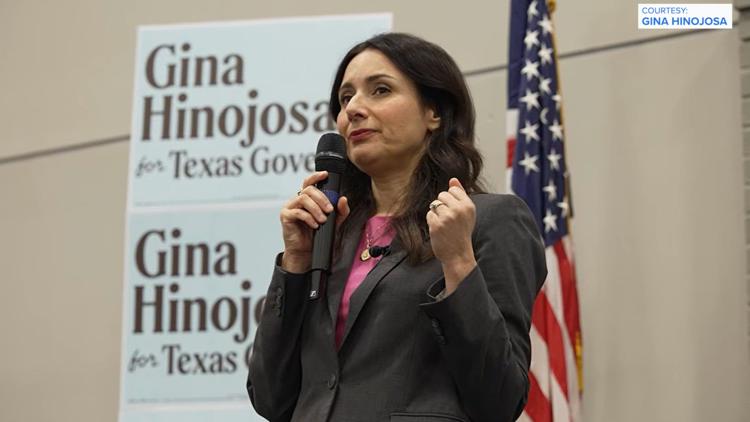
As the sun sets over Round Rock, casting a golden hue on the bustling streets, residents gather in small groups, discussing the future of their community. Among them is Maria Gonzalez, a single mother of two, who hopes for brighter days ahead. "If the payment plan goes through, it could truly change lives here," she says, her voice filled with both hope and uncertainty. The proposal for a one-time payment of $1,500 to Texans is on the table, but the path to its realization remains unclear.
Recently, the governor-elect, Gina Hinojosa, unveiled a bold plan to tap into Texas's rainy-day fund, proposing to allocate $17 billion for direct payments to residents. This initiative aims to provide financial relief to families grappling with the rising cost of living and economic challenges exacerbated by the pandemic. However, the specifics of how and when these payments will be distributed are still under negotiation. While the proposal has sparked excitement among many Texans, including those in Round Rock, there is a long road ahead before any checks are issued.
Hinojosa's plan has been met with mixed reactions. Supporters argue that the payments could alleviate financial strain for countless families, allowing them to invest in their futures or simply make ends meet. Critics, however, raise concerns about the sustainability of such a large expenditure and the potential impact on the state’s fiscal health.
As residents await further details, the anticipation hangs in the air. The governor-elect's proposal is not just a financial plan; it represents hope for a brighter future and a recognition of the struggles faced by many families in our community.
In Round Rock, the news of the proposed payments has ignited conversations in homes, coffee shops, and community centers. Local resident Tom Reed, a father of three, expresses cautious optimism. "This could be a game-changer for families like mine," he shares, noting the burdens of rising expenses. "Every little bit helps, especially with kids in school and bills piling up."
Maria Gonzalez, who works two jobs to support her children, echoes Tom's sentiments. "I worry about how to pay for groceries and school supplies. If this payment comes through, I could finally breathe a little easier," she explains, her eyes lighting up at the thought of financial relief. Her story is a testament to the resilience of families in Round Rock, who are striving to provide a stable life for their loved ones.
The community's response is not just about financial aid; it reflects a deeper yearning for stability and security. Many residents are eager to see how the state will manage the distribution process and what criteria will be established for eligibility. The uncertainty surrounding the timeline for payments only adds to the mix of hope and anxiety.
To grasp the full implications of Hinojosa's proposal, it is essential to understand the mechanics behind it. The rainy-day fund, which currently stands at a robust $17 billion, is designed to help the state during economic downturns. The governor-elect's plan suggests that tapping into this fund for direct payments could provide immediate relief to Texans.
However, the proposal must navigate through the legislative process before it can become a reality. Lawmakers will need to debate the merits and potential drawbacks of such a significant financial commitment. Questions about how the payments will be funded in the long term loom large, as do concerns about the potential impact on future budgets.
Moreover, no specific payment or distribution date has been approved yet, leaving many residents in limbo. For families like the Gonzalezes and Reeds, the waiting game adds an emotional layer to the financial uncertainty they already face.
The potential impact of the proposed payments extends beyond individual households. It could stimulate the local economy, providing a much-needed boost to businesses in Round Rock. Local shop owners, like Maria's neighbor who runs a grocery store, are hopeful that increased spending could lead to more customers and, ultimately, more jobs.
“If families have extra cash, they’re more likely to come in and buy what they need,” she shares. “It’s a win-win for everyone.” This sentiment reflects the interconnectedness of the community, where the financial well-being of families directly influences the health of local businesses.
In addition to the economic benefits, the proposal also serves as a reminder of the importance of community support and resilience. As families discuss their hopes for the future, they also share stories of how they have come together during tough times. Whether it’s through neighborhood potlucks or supporting local charities, the spirit of Round Rock shines brightly.
As residents navigate this uncertain landscape, it is crucial for them to stay informed about the developments surrounding the payment proposal. Local organizations, such as the City of Round Rock and the Round Rock Independent School District, are excellent resources for updates and support.
Additionally, community centers and local nonprofits are working tirelessly to provide assistance to families in need. Organizations like Central Texas Food Bank offer resources for those struggling with food insecurity, while Round Rock Chamber of Commerce can connect residents with local businesses and services.
Staying engaged with local news sources and community bulletins will also help residents keep their fingers on the pulse of any changes regarding the payment plan. As the situation evolves, it is essential for families to remain proactive and informed.
The journey toward realizing the proposed $1,500 payments is just beginning. While the community holds its breath, hoping for a favorable outcome, it is essential to remember that the strength of Round Rock lies not just in financial support but in the bonds forged among its residents. The conversations sparked by this proposal remind us of the importance of community, family, and faith in navigating life's challenges.
As we look ahead, let us remain committed to supporting one another, whether through sharing resources, lending a helping hand, or simply listening to each other's stories. The outcome of the payment plan may significantly impact our community, but it is the resilience and unity of families in Round Rock that will ultimately define our path forward.
By Samantha Kim
By Samantha Kim

By Samantha Kim

By Samantha Kim