Community
Man arrested near White House for making 'finger gun' gesture at National Guard
By Samantha Kim
Advertisement · Why this ad?
Samantha, a journalism graduate from the University of Texas at Austin, has spent six years covering local events for the Round Rock Leader. Her passion for community engagement drives her coverage of local festivals, fundraisers, and cultural happenings.
More from Samantha →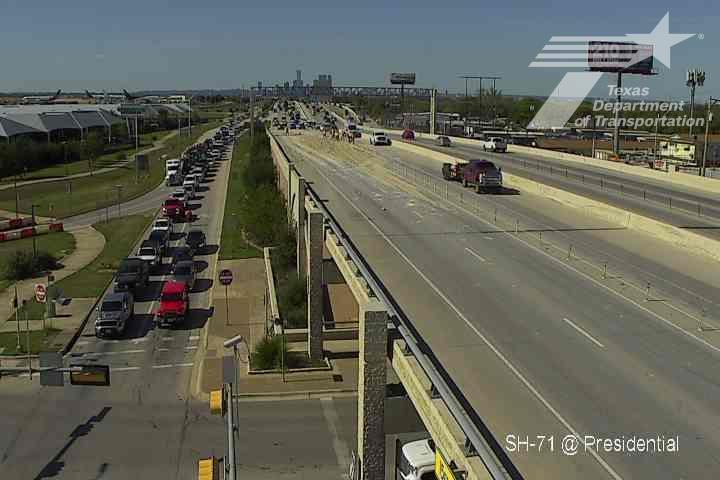
On a quiet Tuesday morning, commuters heading toward Austin-Bergstrom International Airport faced unexpected chaos as a large gravel spill shut down all lanes along a busy stretch of southeast Austin. For many, it was a frustrating start to the day, but behind the scenes, this incident underscores the importance of community safety, quick response, and the resilience of our local transportation network. As families, workers, and travelers navigated detours, the scene reminded us all of how quickly a simple accident can ripple through our daily lives, impacting schedules, businesses, and our sense of security.
According to the Texas Department of Transportation (TxDOT), a gravel truck lost control around 7 a.m., spilling hundreds of pounds of loose gravel across a critical section of the roadway near the airport. The spill covered multiple lanes, making it impossible for vehicles to pass safely. Emergency crews responded swiftly, closing off the affected area to prevent accidents and facilitate cleanup. The closure impacted hundreds of commuters, including airport staff, travelers, and local residents, who rely on this route daily.
At the time of the spill, the gravel truck was reportedly returning from a nearby construction site, which has been active in the area due to ongoing expansion projects at the airport and surrounding industrial zones. The driver, whose identity has not been publicly disclosed, was unharmed but understandably shaken. Witnesses describe seeing the truck skidding before losing control, causing the gravel to scatter across the lanes in a chaotic spray. The incident not only disrupted traffic but also raised questions about safety protocols for construction vehicles operating near busy roads.
Traffic was rerouted through nearby streets such as East Ben White Boulevard and South Mays Street, leading to congestion that stretched into the surrounding neighborhoods. Local residents and business owners expressed frustration, as delays affected deliveries, school runs, and daily commutes. The Austin Police Department and TxDOT coordinated to manage the scene, deploying crews equipped with sweepers and heavy-duty vacuums to clear the gravel as quickly as possible. The closure lasted several hours, with lanes reopening around noon after thorough cleanup efforts.
For small businesses in the area, especially those operating near the airport and along the detour routes, the disruption was felt immediately. Delivery trucks faced delays, and some local eateries saw fewer customers as travelers diverted to alternative routes. For residents like Maria Lopez, a mother of three, the spill was more than an inconvenience—it was a reminder of how vulnerable our daily routines are to unforeseen events. “It’s a small inconvenience, but it shows how much we depend on these roads,” she said, as she juggled dropping her children at school and heading to her job at a nearby logistics firm.
As the morning progressed, social media buzzed with reports from frustrated commuters sharing their stories. Many expressed concern over the lack of advanced warning and the need for better communication from authorities during such incidents. This event has prompted discussions about infrastructure maintenance, safety measures for construction zones, and the importance of real-time updates for travelers in our fast-growing region.
For many in Round Rock and the surrounding communities, the gravel spill was a stark reminder of how interconnected our transportation systems are. Local residents expressed concern over the impact on their routines, with some sharing stories of missed appointments and late arrivals. “It’s a small inconvenience, but it shows how much we depend on these roads,” said Maria Lopez, a mother of three who was trying to get her children to school and herself to work.
City officials and transportation authorities reassured residents that measures are being taken to improve safety and prevent future incidents. “We’re working closely with contractors and safety inspectors to ensure that such spills are minimized and quickly addressed,” said Austin City Councilmember David Martinez. Community members also called for better signage and faster response times, emphasizing that clear communication is key during emergencies.
In particular, local leaders are considering new policies for construction zones near major traffic routes. These could include mandatory safety barriers, more frequent inspections, and stricter regulations for heavy vehicle operators. The goal is to protect both workers and the traveling public, especially as the Austin metro area continues to grow rapidly, with projections indicating a population increase of over 30% in the next decade.
Looking ahead, the incident serves as a catalyst for ongoing discussions about infrastructure safety and community resilience. TxDOT has announced plans to review safety protocols and consider additional safeguards on roads near high-traffic construction zones. Meanwhile, local businesses that rely on the airport corridor are adapting, with some implementing flexible schedules to accommodate delays.
For residents, the event reinforces the importance of staying informed and prepared for unexpected disruptions. Community organizations are also stepping up, offering resources and support for those impacted by the closures. As the region continues to grow, so does the need for robust, safe transportation systems that keep families moving and communities thriving.
In response to this incident and others like it, local advocacy groups are pushing for increased investment in infrastructure modernization. The Greater Austin Traffic Coalition, for example, has proposed a series of projects aimed at improving road safety, including expanded signage, better lighting, and additional barriers in construction zones. These initiatives aim to minimize the risk of accidents and ensure smoother traffic flow during peak hours.
Additionally, the Austin Transportation Department is exploring the integration of smarter traffic management systems, such as real-time alerts sent directly to drivers’ smartphones, to better inform travelers of road conditions and closures. These technological upgrades are seen as critical in a city where congestion is expected to double in the next 15 years due to population growth and economic expansion.
As cleanup crews finish their work and lanes reopen, the focus shifts to prevention. Local officials are scheduled to hold community forums in the coming weeks to discuss ongoing safety measures and gather input from residents. These forums will be crucial in shaping policies that balance economic development with community safety and quality of life.
Meanwhile, the incident has also sparked a broader conversation about the importance of resilience planning. The city of Austin and neighboring communities are exploring ways to bolster emergency response capabilities, including quicker deployment of cleanup crews and improved communication channels during incidents. This proactive approach aims to reduce the impact of future disruptions and ensure that the region remains resilient in the face of growth and change.
For now, residents can take comfort in knowing that their local government is committed to addressing these issues head-on. The gravel spill, while disruptive, has become a catalyst for positive change—prompting new safety standards, technological innovations, and community engagement efforts that will help keep Austin moving safely into the future.
By Samantha Kim

By Samantha Kim

By Samantha Kim

By Samantha Kim