Community
Alfonso Salazar outlines priorities after winning Hays County DA race
By Samantha Kim
Advertisement · Why this ad?
Samantha, a journalism graduate from the University of Texas at Austin, has spent six years covering local events for the Round Rock Leader. Her passion for community engagement drives her coverage of local festivals, fundraisers, and cultural happenings.
More from Samantha →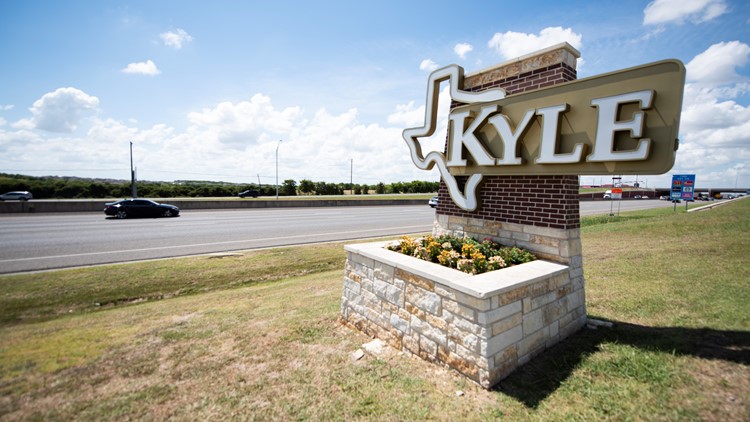
On a quiet summer evening in Round Rock, families gathered in their backyards, children played, and pets lounged peacefully — until a sudden warning from local authorities sent a ripple of concern through the community. The City of Kyle, just a short drive from Round Rock, announced a recent rabies scare after two bats tested positive for the deadly virus. While it’s a reminder of the delicate balance we share with our wildlife, it’s also a call to vigilance for every family committed to protecting their loved ones.
In a statement released earlier this week, Kyle Animal Control confirmed that two bats found in the area tested positive for rabies. The discovery was made after residents reported unusual animal behavior, prompting officials to investigate. Rabies, a viral disease that affects the brain and spinal cord, is almost always fatal once symptoms appear, making early detection and prevention vital. The city’s health department has emphasized that rabies transmission to humans is rare but possible, especially through bites or scratches from infected animals.
This incident marks a significant reminder for residents of Round Rock and surrounding communities to stay alert. The bats, which appeared to be acting erratically—flying low, showing aggression, or failing to respond to stimuli—were captured and tested. Kyle officials are urging residents to be cautious, especially when encountering wildlife exhibiting abnormal behaviors.
The news has prompted many to reflect on the importance of responsible pet ownership and community awareness. Kyle’s animal control team has increased their patrols and outreach efforts, emphasizing the importance of vaccinating pets against rabies. The city recommends that pet owners ensure their animals are up-to-date on rabies vaccinations, a simple step that can prevent tragedy and safeguard families. Additionally, residents are advised to avoid handling wild animals, especially those acting strangely.
Rabies is a disease that has haunted humanity for centuries, but thanks to modern medicine and public health initiatives, its prevalence has decreased significantly. Still, the danger persists in wildlife populations, including bats, raccoons, skunks, and foxes. According to the Centers for Disease Control and Prevention (CDC Rabies Information), bats are a common source of rabies in the United States, often caught in the act of transmitting the virus through bites.
For families in Round Rock, this is a stark reminder that wildlife and humans share the same environment, and mutual caution is essential. The Texas Department of State Health Services (DSHS Rabies Program) recommends that anyone who encounters a bat or other wild animal acting strangely should contact local authorities immediately. They also stress the importance of keeping pets indoors at night and avoiding contact with unfamiliar animals.
Strong families and secure neighborhoods are built on awareness and responsibility. When a community remains vigilant about health threats like rabies, it reflects a shared commitment to protecting our children, our pets, and our elderly. In Round Rock, where families cherish their faith, their homes, and their neighbors, this incident is a call to renew our collective responsibility.
Many residents remember the stories of their grandparents’ generation, where community bonds and faith helped prevent the spread of disease and fostered resilience. Today, that same spirit of stewardship and care continues to define us. Local churches and civic groups are working together to distribute informational flyers and host vaccination clinics, reinforcing the message that prevention is a community effort.
As Round Rock and nearby Kyle respond to this rabies alert, city officials are planning additional outreach initiatives. The goal is to educate residents about recognizing rabies symptoms, reporting unusual wildlife behavior, and ensuring pets are protected. The city’s animal control website (Round Rock Animal Control) offers resources, including vaccination clinics and reporting procedures.
Families are encouraged to stay informed and proactive. Local veterinarians, such as those at Round Rock Veterinary Clinic, are available for vaccinations and consultations. Schools and community centers are also hosting informational sessions to educate children and adults alike about rabies prevention and safe wildlife interactions.
In addition to these efforts, the community is looking at long-term strategies to minimize wildlife encounters in residential areas. City planners and wildlife experts are exploring ways to modify habitats that attract bats and other wild animals near homes, such as trimming overgrown trees and securing access points in attics and garages. These measures aim to reduce the likelihood of contact between humans and potentially rabid animals.
Local organizations have recognized that education is key to preventing future incidents. The Round Rock Public Library is partnering with local health authorities to host free seminars on rabies awareness, safe pet handling, and wildlife safety. These sessions are designed to empower residents with practical knowledge, especially for families with children and seniors who may be more vulnerable.
Furthermore, civic groups and neighborhood associations are mobilizing volunteers to distribute informational flyers door-to-door, emphasizing the importance of pet vaccinations, avoiding wild animals, and reporting suspicious behavior. These grassroots efforts foster a sense of shared responsibility and community cohesion, which are vital in times of health crises.
The city’s response to this rabies alert is just the beginning. Officials plan to monitor wildlife activity more closely and collaborate with state and federal agencies to track rabies trends across Central Texas. This coordinated approach aims to identify hotspots and implement targeted interventions, such as vaccination drives and habitat management programs.
In the coming weeks, residents can expect increased communication from local authorities, including updates on wildlife monitoring results and upcoming vaccination clinics. The city also plans to review and update its animal control policies to ensure swift response capabilities and better community engagement.
For families, the most immediate step remains vigilant pet care. Ensuring that all dogs and cats are vaccinated against rabies is a simple yet powerful safeguard. Pet owners are encouraged to keep animals indoors during dawn and dusk hours when bats are most active, and to supervise outdoor activities, especially in areas with dense foliage or trees.
Ultimately, this incident underscores the importance of community unity and proactive health measures. As residents of Round Rock and Kyle, we share a common bond rooted in caring for each other and safeguarding our community’s future. By staying informed, practicing responsible pet ownership, and respecting local wildlife, we can prevent future rabies cases and maintain the safety and well-being of our neighborhoods.
By Samantha Kim

By Samantha Kim

By Samantha Kim

By Samantha Kim