
Real Estate
Unclaimed property fund gets AI 'modernization'
By Bradley Jones
Advertisement · Why this ad?
Maria has over 15 years of journalism experience, having worked for the Austin American-Statesman and NPR affiliate KUT. Born and raised in Round Rock, she graduated from the University of Texas at Austin with a degree in Journalism. Maria has a passion for local storytelling and community engagement.
More from Maria →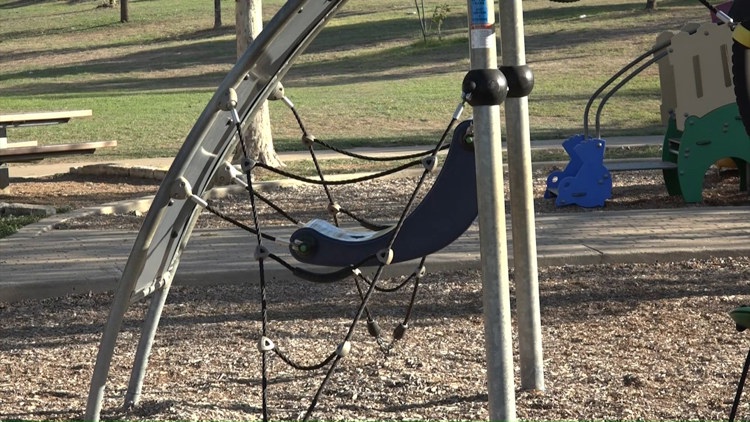
As the sun rises on a crisp Tuesday morning in Austin, families are already lining up at polling places, eager to cast their votes on a significant measure that could reshape the city's parks and library systems. Among them is Sarah, a mother of three, who recalls countless weekends spent at local parks with her children, soaking in the sunshine and creating cherished memories. With a $295 million bond on the ballot, she hopes to see improvements that will enhance these beloved community spaces for generations to come.
This Tuesday, Austin voters will make a pivotal decision regarding a proposed $295 million bond aimed at upgrading parks and libraries across the city. This bond is not just a financial figure; it represents a vision for a more vibrant, accessible, and sustainable community. The proposal comes after a challenging year for city officials, who faced the rejection of Proposition Q, a property tax increase aimed at funding similar projects.
The bond aims to address various needs within the city’s parks and library systems, which have long been underfunded. If passed, the funds will be allocated to improve existing facilities, build new parks, and enhance the resources available in libraries. This initiative reflects a growing recognition of the importance of green spaces and educational resources in promoting community well-being.
Supporters of the bond, including local advocates and community leaders, emphasize the long-term benefits of investing in parks and libraries. They argue that these spaces are essential for fostering community connections, promoting physical activity, and improving mental health. “Parks are the heart of our neighborhoods,” says local activist John Martinez. “They provide a safe space for families to gather, children to play, and communities to thrive.”
Residents have voiced their opinions on the bond, with many expressing optimism for the future. “I love taking my kids to the park, but some of the equipment is outdated and unsafe,” shares Sarah, who hopes that the bond will lead to safer play areas. “It’s about creating a safe environment for our kids to grow and play.”
However, not everyone is on board. Some residents are concerned about the financial implications of the bond, particularly in light of last year’s failed Proposition Q, which sought to increase property taxes to fund similar initiatives. Critics argue that the city should prioritize fiscal responsibility over new spending. “We need to be cautious,” says local resident Tom Johnson. “Our property taxes are already high, and we need to ensure we’re not overextending ourselves.”
The significance of parks and libraries in fostering a sense of community cannot be overstated. Parks serve as gathering places for families, friends, and neighbors, while libraries provide essential resources for education and personal growth. According to the City of Austin Parks and Recreation Department, parks play a vital role in enhancing the quality of life for residents, offering opportunities for recreation, relaxation, and community engagement.
Moreover, libraries are more than just places to borrow books; they are hubs of information, technology, and community programs. The Austin Public Library system has been a cornerstone for many families, providing access to educational resources and programs that enrich lives. By investing in these institutions, the city not only enhances its infrastructure but also strengthens the fabric of the community.
In recent years, several local initiatives have highlighted the importance of parks and libraries in Austin. Programs like “Parks After Dark” have brought communities together for evening events at parks, featuring movies, music, and food trucks. These gatherings not only promote the use of parks but also foster a sense of belonging among residents. Similarly, the Austin Public Library has expanded its programming to include workshops, reading clubs, and technology classes, ensuring that all community members, regardless of age, can benefit from the resources available.
The proposed bond represents a significant investment in the future of Austin. If approved, the $295 million will be allocated to various projects, including the renovation of existing parks, the construction of new recreational facilities, and enhancements to library services. City officials estimate that the bond will be funded through a combination of property taxes and other revenue sources, ensuring a balanced approach to financing.
While supporters argue that the investment is necessary for the growth and sustainability of the community, critics raise valid concerns regarding the potential impact on property taxes. Balancing the need for improvements with fiscal responsibility is crucial. As the city navigates these challenges, it is essential for residents to weigh the long-term benefits against immediate financial implications.
Looking at similar cities across the country, many have successfully passed bonds that have led to significant improvements in parks and libraries. For instance, cities like San Antonio and Denver have seen a revitalization of their community spaces after similar investments. These cities have reported increased community engagement and satisfaction, showcasing the potential positive outcomes of such a bond in Austin. The success stories from these cities may serve as a motivating factor for Austin voters as they consider the implications of the bond.
As the polls close and the votes are tallied, the future of Austin's parks and libraries hangs in the balance. A positive outcome could usher in a new era of community engagement, health, and education, while a negative result may force the city to reevaluate its approach to funding these vital services. Regardless of the outcome, the conversation around the importance of parks and libraries will continue.
For families like Sarah's, the hope is that the bond passes, allowing for enhancements that will benefit not only their children but also future generations. “We want our kids to grow up in a community that values play, learning, and togetherness,” she reflects. “It’s about building a legacy.”
In the coming weeks, city officials will provide updates on the results of the vote and the next steps for the community. Whether the bond is approved or rejected, the discussions surrounding community investment will remain vital as Austin continues to grow and evolve. City leaders have indicated a commitment to ongoing community engagement, regardless of the outcome, to ensure that residents feel heard and involved in the decision-making process. This could include town hall meetings, surveys, and focus groups designed to gather input on future initiatives and priorities.
By Bradley Jones
By Tom Baker

By Samantha Kim
By Samantha Kim