Community
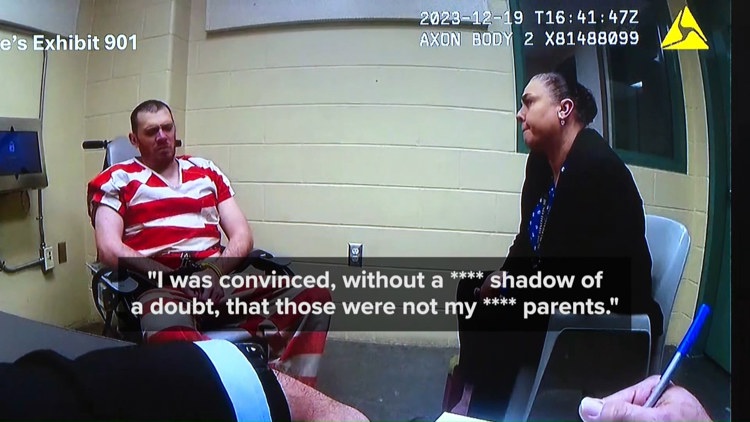
Shane James Jr. trial: Police interview video shown on Day 6
By Samantha Kim
Advertisement · Why this ad?
Samantha, a journalism graduate from the University of Texas at Austin, has spent six years covering local events for the Round Rock Leader. Her passion for community engagement drives her coverage of local festivals, fundraisers, and cultural happenings.
More from Samantha →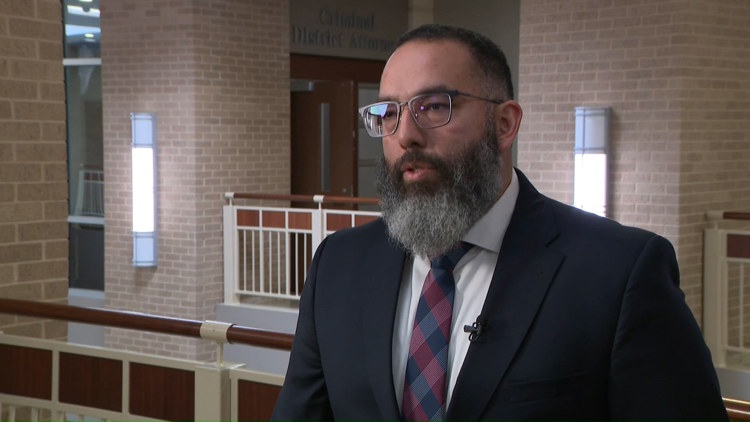
In the quiet moments after the votes were tallied and the community gathered at the local election watch party, Alfonso Salazar’s smile reflected more than just victory — it embodied hope for a new chapter in Hays County’s justice system. As the newly elected District Attorney, Salazar’s focus is clear: to bring integrity, compassion, and a renewed sense of purpose to a role that touches every family and neighborhood in the region. His journey to this moment was fueled by a deep commitment to justice rooted in faith, family, and community values that resonate strongly in Round Rock and beyond.
Salazar, a seasoned attorney with a reputation for fairness and community service, defeated incumbent Kelly Higgins in a closely watched race that drew attention from across Central Texas. His victory marks a significant shift in the county’s approach to criminal justice, emphasizing rehabilitation and support rather than solely punitive measures. The 45-year-old attorney outlined his priorities in his first public statement, underscoring juvenile justice and specialty courts as his immediate focus areas.
“Our children are our future, and I believe in giving them every opportunity to succeed,” Salazar said during his victory speech. “I want to see a justice system that not only holds offenders accountable but also offers pathways to redemption and growth.” His plan includes expanding juvenile programs and creating specialized courts that address mental health and addiction issues, aiming to reduce recidivism and foster healthier communities.
The community’s response has been overwhelmingly positive, with local leaders and residents expressing hope that Salazar’s leadership will bring meaningful change. Many see his emphasis on juvenile justice as a step toward breaking cycles of crime and poverty that have long challenged the region. Parents, educators, and faith leaders alike have voiced support for a justice approach rooted in compassion and restoration, echoing the values that hold families and communities together.
Salazar’s background as a committed Christian and family man resonates deeply with many in Round Rock, where faith and strong marriages are celebrated as cornerstones of a thriving community. “I believe in the power of forgiveness and second chances,” he shared. “A healthy society begins with healthy families, and I am committed to working with community organizations, churches, and schools to support our youth and families.” His vision aligns with the community’s desire for a justice system that reflects core values of integrity, faith, and unwavering commitment to families.
Hays County, which includes the rapidly growing city of Round Rock and other communities like Kyle and Buda, has experienced significant demographic shifts over the past decade. The population has surged due to its proximity to Austin, drawing families and young professionals seeking affordable housing and quality schools. This growth has brought new challenges, including increased crime rates, strains on public services, and a need for updated justice policies that reflect the community’s evolving needs.
Historically, the county’s criminal justice system has been criticized for being overly punitive, with limited focus on rehabilitation or addressing underlying social issues. Salazar’s victory signals a potential paradigm shift, especially in juvenile justice, where early intervention can make a profound difference. His emphasis on specialty courts—such as mental health courts, drug courts, and veterans courts—aims to divert non-violent offenders from jail and into treatment programs that address root causes of criminal behavior.
This approach aligns with broader national trends toward restorative justice but is tailored to the unique needs of Hays County residents. Local organizations, such as the Hays Caldwell Women’s Center and the Hays County Mental Health Alliance, have long advocated for more compassionate alternatives to incarceration, and many see Salazar’s leadership as an opportunity to implement these ideas more fully.
Salazar’s campaign was supported by a coalition of community activists, faith leaders, and local politicians who believe in reforming the justice system. His campaign manager, Maria Lopez, a Round Rock native and experienced political strategist, emphasized the importance of community engagement in shaping policy. “Alfonso’s commitment to listening and working with diverse voices has been central to his campaign,” Lopez said. “He understands that real change happens when we collaborate across sectors.”
Kelly Higgins, the outgoing DA, served for several terms and was known for a more traditional law-and-order approach. His departure opens the door for new ideas and strategies that prioritize community well-being and long-term solutions.
Looking ahead, Salazar plans to collaborate closely with local law enforcement, mental health providers, and community organizations to implement his priorities effectively. His office will also focus on transparency and community engagement, ensuring residents feel heard and involved in shaping policies that impact their lives. The transition from Kelly Higgins’ administration will include reviewing existing programs and introducing new initiatives aimed at fostering restorative justice and reducing juvenile crime rates.
Moreover, Salazar’s emphasis on specialty courts signals a broader shift toward addressing the root causes of criminal behavior. By tackling issues like addiction and mental health head-on, he hopes to create a more equitable and compassionate justice system that aligns with the values of families committed to faith and stability. As he steps into this influential role, the community watches with hopeful anticipation, trusting that his leadership will help forge a safer, more unified Hays County.
One of Salazar’s key promises is to increase community involvement in the justice process. His office plans to hold regular town halls and forums, inviting residents to share their concerns and ideas. This approach aims to build trust and ensure that policies reflect the community’s values and needs.
Additionally, partnerships with local schools and nonprofits will be expanded to create early intervention programs. These initiatives will focus on youth mentorship, mental health awareness, and family support services—building a foundation for long-term community resilience.
Institutions like the Round Rock ISD, local churches, and community centers will play a vital role in Salazar’s vision. Many of these organizations have already been working on youth programs and social services, and under his leadership, they are expected to become even more integral to juvenile justice reform efforts.
The Hays County Sheriff's Office and municipal police departments have expressed support for the new direction, emphasizing their willingness to collaborate on diversion programs and community policing initiatives. This cooperation is crucial for the success of the reforms and for rebuilding trust between law enforcement and residents.
This election and Salazar’s subsequent leadership matter deeply to the residents of Round Rock and the surrounding communities. As the county continues to grow rapidly, the need for a justice system that promotes healing, opportunity, and community safety becomes even more urgent. The policies that take shape now will influence generations to come, shaping how young people view justice and their future.
For many families, especially those with children or loved ones struggling with mental health or addiction, Salazar’s focus on restorative justice offers hope. It suggests a future where rehabilitation is prioritized, and communities are strengthened through compassion and understanding rather than fear and punishment.
In the coming months, Salazar’s office will begin implementing new programs and reviewing existing policies. Community input sessions are scheduled to gather feedback on proposed initiatives, ensuring transparency and inclusivity. The success of these efforts will depend on sustained collaboration, funding, and community buy-in.
As Hays County embarks on this new chapter, residents are encouraged to stay engaged, participate in public forums, and support the reforms that will shape their neighborhoods. Salazar’s leadership promises a more compassionate, effective approach to justice—one rooted in the community’s shared values of faith, family, and opportunity.
Ultimately, the hope is that these efforts will lead to a safer, healthier, and more equitable Hays County—where every child and family has the chance to thrive and build a brighter future.
By Samantha Kim

By Samantha Kim

By Samantha Kim

By Samantha Kim