Community
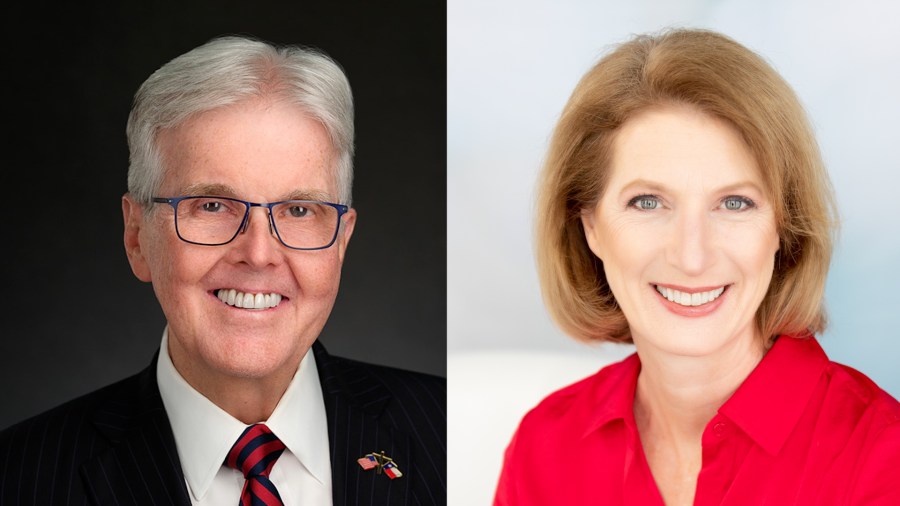
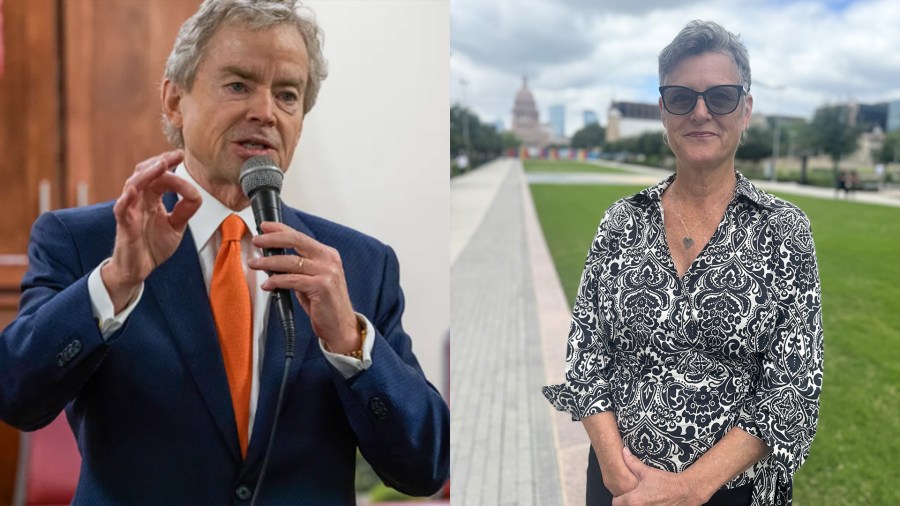
Goodwin challenges incumbent Lt. Gov. Patrick for most powerful state office in Texas
By Samantha Kim
Advertisement · Why this ad?
Samantha, a journalism graduate from the University of Texas at Austin, has spent six years covering local events for the Round Rock Leader. Her passion for community engagement drives her coverage of local festivals, fundraisers, and cultural happenings.
More from Samantha →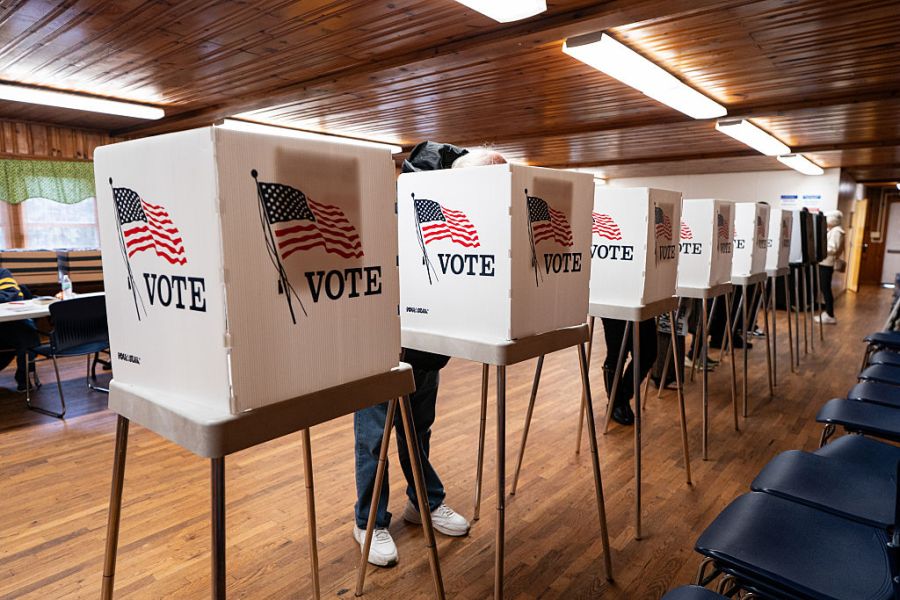
On a brisk autumn morning in Round Rock, Texas, the air is filled with the scent of freshly brewed coffee and the sound of laughter spilling from a local café. As residents gather, they share stories not just about the weather, but about the upcoming elections. For many, this is more than just a civic duty; it’s a chance to shape the future of their community and uphold the values they cherish. The stakes feel high, as recent projections suggest a significant shift in Congress, with Democrats poised for a potential sweep. This news has sparked conversations and debates across the city.
As we approach the upcoming elections, forecasters and prediction markets are indicating strong odds for Democrats to gain control of Congress. This shift is particularly noteworthy given the historical context of past elections, where polling predictions have often missed the mark. The uncertainty surrounding voter turnout and sentiment adds layers of complexity to these projections.
In Round Rock, the atmosphere is charged with anticipation. Local leaders and community members are closely watching these developments, aware that the outcomes could have significant ramifications on local policies and resources. The potential for a Democratic sweep raises questions about how their policies will align with the values and needs of Round Rock residents.
The reaction in Round Rock has been varied. Some residents express enthusiasm at the prospect of a Democratic Congress, believing it could lead to more progressive policies that address issues such as education, healthcare, and infrastructure. Others, however, are cautious, recalling previous elections where polling data failed to accurately predict voter behavior.
Maria Gonzalez, a long-time resident and mother of three, shared her thoughts at the café. “I want to believe that this time, the projections are right. We need leaders who understand our struggles and can help us build a better future for our families,” she said. Her sentiment resonates with many who are looking for hope and change.
Conversely, John Thompson, a local business owner, voiced his skepticism. “We’ve seen this before. The polls can be misleading, and I worry about the impact of a Democratic sweep on small businesses like mine. It’s important to have a balanced approach,” he remarked. His concerns highlight the diverse perspectives within the community, reflecting the broader national discourse.
Among the youth, the sentiment is equally mixed. College students at nearby Texas State University, just a short drive from Round Rock, are particularly engaged in these discussions. Many are excited about the prospect of progressive policies that could impact student debt relief and affordable education. Jessica Ramirez, a political science major, expressed her views: “I think a Democratic sweep could mean more funding for public universities and a focus on making education accessible for everyone. That’s something we desperately need.”
The stakes are undeniably high as we approach election day. A Democratic sweep could lead to significant changes in policy, particularly in areas that directly impact the Round Rock community. Issues such as affordable housing, education funding, and healthcare access are at the forefront of many residents’ minds.
Moreover, the implications of these changes extend beyond policy. They touch the very fabric of the community, influencing how families navigate their daily lives and pursue the American dream. The potential for increased investment in local schools and infrastructure could pave the way for a more prosperous future.
Local leaders are also emphasizing the importance of addressing climate change, which has become a pressing issue in recent years. As Round Rock continues to grow, the need for sustainable development and green initiatives is critical. Mayor Craig Morgan has been vocal about the need for policies that prioritize environmental sustainability, stating, “Our growth must be managed responsibly to ensure that we leave a healthy planet for future generations.”
However, as history shows, polling misses can lead to unexpected outcomes. In previous elections, many voters have felt disillusioned, leading to lower turnout than predicted. This history serves as a reminder for Round Rock residents to engage actively in the electoral process, ensuring their voices are heard.
Local organizations are stepping up efforts to educate voters about the importance of participation. The Round Rock Chamber of Commerce, for instance, is hosting forums to discuss candidates’ positions and how they align with community values. These initiatives aim to empower residents to make informed decisions and foster a sense of belonging within the democratic process.
Additionally, grassroots organizations like the Round Rock Democratic Club are mobilizing volunteers to reach out to underrepresented communities. They are focusing on informing residents about early voting options and providing resources to help people navigate the voting process. “We want to make sure that everyone, regardless of their background, has the opportunity to make their voice heard,” said club president Linda Martinez.
As the election draws near, the focus shifts to mobilizing voters and fostering community engagement. Local leaders are encouraging residents to not only cast their votes but also to participate in discussions that shape the future of Round Rock.
In the coming weeks, we can expect to see an increase in grassroots efforts aimed at encouraging voter turnout. Community events, door-to-door canvassing, and social media campaigns are just a few strategies being employed to ensure that every voice is heard. The hope is that these efforts will resonate with residents, reminding them that their participation is vital in shaping the future.
Moreover, local schools are getting involved in the electoral process as well. Educators are organizing mock elections to engage students and teach them about the voting process. “It’s important for our students to understand the power of their vote and how it impacts their community,” explained Sarah Johnson, a high school civics teacher. “By involving them in the process, we’re fostering the next generation of engaged citizens.”
At the heart of this election is the desire for families to thrive. Residents are hopeful that the outcomes will reflect their values and aspirations for a stable, loving community. As we witness the unfolding political landscape, it’s essential to remember that the strength of Round Rock lies in its people and their commitment to each other.
Whether through advocating for better schools or supporting local businesses, the community is united in its pursuit of a brighter future. As we look ahead, let us embrace the spirit of collaboration and commitment that defines Round Rock, ensuring that every family has the opportunity to flourish. The upcoming elections are not just about candidates or parties; they are about the future of this vibrant community and the collective aspirations of its residents.
By Samantha Kim
By Samantha Kim
By Samantha Kim
By Samantha Kim