Community
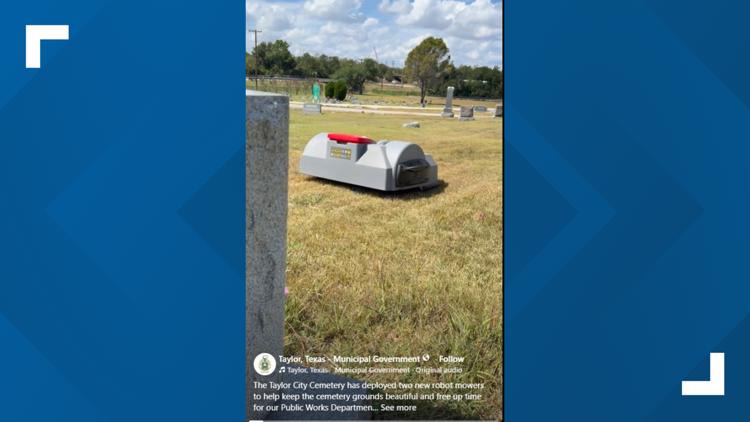
Taylor voters name robot mowers that maintain cemetery grounds
By Samantha Kim
Advertisement · Why this ad?
Samantha, a journalism graduate from the University of Texas at Austin, has spent six years covering local events for the Round Rock Leader. Her passion for community engagement drives her coverage of local festivals, fundraisers, and cultural happenings.
More from Samantha →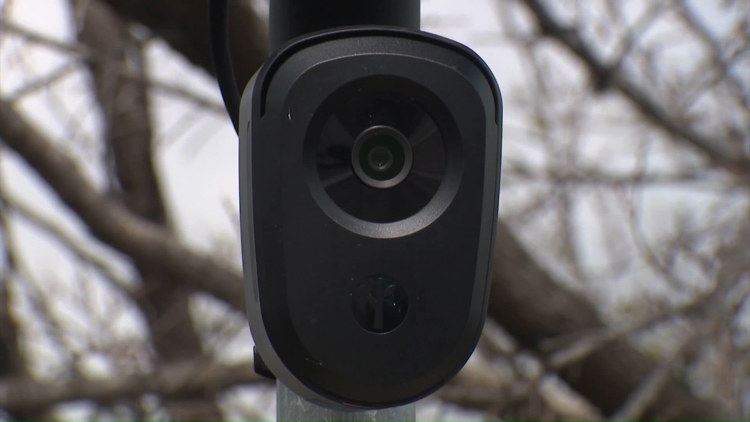
As the sun set over Round Rock, casting a warm glow on the bustling streets, residents gathered at the local park, sharing laughter and stories. Among them was Maria, a mother of three, who expressed her concern about safety in the community. Just days earlier, the city of Taylor made a significant decision that reverberated through neighboring areas, including Round Rock. In a move that has sparked conversations about public safety and privacy, the city announced the termination of its contract with Flock Safety due to data security concerns.
On a Tuesday afternoon, the city of Taylor revealed that it would be ending its contract with Flock Safety, the company responsible for the eight license plate reading cameras installed throughout the city. This decision was prompted by growing concerns regarding the security of data collected by these cameras. The city stated that the cameras had already been disabled and would be removed in the coming days. Taylor's city officials emphasized that the safety and privacy of residents are paramount, and they felt that the risks associated with the data security of Flock Safety's system outweighed the benefits.
The Flock cameras, designed to enhance public safety by capturing license plate information, were initially installed with the intention of aiding law enforcement in solving crimes. However, the recent decision reflects a broader trend among municipalities grappling with the balance between public safety and individual privacy. As cities across the country adopt surveillance technologies, the implications for data security and civil liberties are becoming critical points of discussion.
The announcement from Taylor has resonated with residents across Round Rock, many of whom have expressed mixed feelings about the use of surveillance technology in their neighborhoods. Some community members, like Maria, feel that while safety is essential, it should not come at the expense of personal privacy. “I want to feel safe in my city, but I also don’t want to feel like I’m being watched all the time,” she shared during a recent community meeting.
Local advocacy groups have also voiced their concerns regarding the implications of such surveillance systems. Organizations focused on civil liberties argue that the use of license plate readers can lead to over-policing and potential misuse of data. “We must ensure that any technology implemented in our communities respects the privacy rights of individuals,” said Emily Johnson, a representative from the Round Rock Civil Liberties Union. Her statement reflects a growing sentiment among residents who are wary of the potential for misuse of the data collected by such systems.
In contrast, some residents support the use of surveillance technology as a tool for enhancing public safety. They argue that the benefits of deterring crime and assisting law enforcement in investigations outweigh the risks associated with data security. “If it helps catch criminals, I think it’s worth it,” said Tom, a local business owner. This division in opinion highlights the ongoing debate within the community about the best approach to public safety in an era of increasing technology.
The decision to end the contract with Flock Safety is not isolated; it comes amid a national conversation about surveillance, data privacy, and the ethical implications of technology in public spaces. Cities across the United States are increasingly adopting surveillance technologies to combat crime, but incidents of data breaches and misuse have raised alarms about the potential consequences.
In Texas, several cities have faced scrutiny over their use of surveillance systems. The Texas Civil Rights Project has been vocal about the need for transparency and accountability in the use of such technology. Their advocacy emphasizes the importance of ensuring that residents are informed about how their data is being collected, stored, and used.
As Round Rock residents reflect on the recent developments in Taylor, there are valuable lessons to be gleaned from the situation. The importance of community engagement in discussions about public safety and privacy cannot be overstated. Local leaders must prioritize open dialogues with residents to address their concerns and fears regarding surveillance technologies.
Moreover, the incident serves as a reminder of the need for clear policies and regulations surrounding data security in public surveillance systems. As technology continues to evolve, so too must the frameworks that govern its use. Ensuring that there are robust safeguards in place to protect residents' data is essential for maintaining trust within the community.
In the wake of Taylor's decision, Round Rock officials are likely to reassess their own policies regarding surveillance technology. The city has not yet adopted Flock Safety cameras, but the discussion surrounding their potential use may be reignited. Community leaders will need to consider the lessons learned from Taylor's experience as they navigate the complexities of public safety and privacy.
As residents like Maria and Tom continue to voice their opinions, it is crucial for local officials to listen and engage in meaningful conversations about the future of surveillance in Round Rock. Striking the right balance between ensuring public safety and respecting individual privacy will be key to fostering a sense of trust and belonging within the community.
To better understand the community's sentiments, local leaders are encouraged to facilitate town hall meetings where residents can openly discuss their views on surveillance and public safety. These forums can serve as platforms for residents to express their concerns, share personal experiences, and propose alternative solutions that do not compromise privacy. Engaging with the community in this way not only empowers residents but also helps officials gauge the pulse of public opinion.
Additionally, involving local law enforcement in these discussions is vital. Police Chief Mike Williams, who has been vocal about the department's commitment to transparency, stated, “We want to work with the community to find solutions that enhance safety while respecting privacy.” His willingness to engage with residents could foster a collaborative environment where both safety and civil liberties are prioritized.
For those interested in learning more about data privacy and surveillance, several local organizations offer resources and information. The City of Round Rock provides updates on public safety initiatives and community engagement opportunities. Additionally, the American Civil Liberties Union offers insights into civil rights issues surrounding surveillance technology.
Residents can also participate in local forums and community meetings to voice their concerns and opinions. Engaging with local leaders and advocacy groups is an essential part of the democratic process, ensuring that everyone has a voice in shaping the future of their community. Furthermore, the Texas Civil Rights Project provides resources for residents seeking to understand their rights in relation to surveillance and data privacy.
By Samantha Kim
By Samantha Kim

By Samantha Kim

By Samantha Kim