
Community
Texas faces physical road test at Missouri as Longhorns enter final stretch
By Samantha Kim
Advertisement · Why this ad?
Samantha, a journalism graduate from the University of Texas at Austin, has spent six years covering local events for the Round Rock Leader. Her passion for community engagement drives her coverage of local festivals, fundraisers, and cultural happenings.
More from Samantha →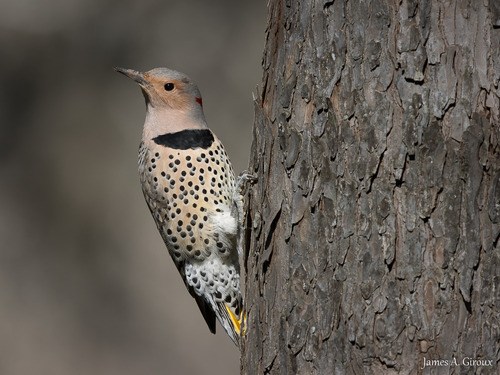
As the sun rises over the rolling hills of Central Texas, the air fills with the melodious sounds of birds awakening from their nightly slumber. Among them, the Northern Flicker, a striking woodpecker with a penchant for the ground, has made its seasonal return to the Austin area. For birdwatchers and nature enthusiasts in Round Rock, this sighting marks not just the arrival of a migratory species but a celebration of the vibrant community that thrives around nature.
The November bird forecast from Travis Audubon highlights the Northern Flicker, a unique woodpecker that typically arrives in Central Texas in October and remains throughout the early spring months. Known for its distinctive markings and behavior, the Northern Flicker is not your average woodpecker. Unlike its tree-dwelling cousins, this bird often forages for ants and beetles on the ground, making it a fascinating subject for birdwatchers.
As we transition into November, the Northern Flicker’s presence becomes more pronounced. Birdwatchers can spot this bird in parks, backyards, and along the hiking trails that lace through our beloved Round Rock. The community is encouraged to keep an eye out for the flicker’s characteristic call, a loud, ringing sound that echoes through the trees. These birds are not only a joy to observe but also play a crucial role in our local ecosystem.
The Northern Flicker is more than just a beautiful bird; it serves as an important indicator of the health of our environment. As a ground forager, it helps control insect populations, contributing to the balance of nature. The presence of this woodpecker can signal a thriving ecosystem, which is vital for the flora and fauna of the area. Birdwatchers like Audubon Society members understand the significance of observing these patterns and sharing their findings.
Round Rock’s natural spaces, such as Old Settlers Park and Brushy Creek Regional Trail, provide perfect habitats for the Northern Flicker. These areas, rich with diverse plant life and ample food sources, encourage the flicker to thrive, reminding us of the importance of preserving our local environment. Local residents often share stories of their encounters with the flickers, creating a sense of connection to these birds and the surrounding ecosystem. In fact, many families have made it a tradition to visit these parks during the fall months, hoping to catch a glimpse of the flicker and other migratory species.
As the November bird forecast unfolds, local organizations are stepping up to engage the community. Round Rock’s Parks and Recreation Department is organizing birdwatching events, inviting residents to explore the beauty of our local wildlife. These events not only foster a love for nature but also strengthen community bonds as families and friends come together to appreciate the simple joys of life. The Parks Department has reported an increase in participation in these events, reflecting a growing interest in birdwatching and conservation among residents.
One such event is the upcoming Birding for Beginners workshop, designed for those new to birdwatching. Scheduled for later this month, the workshop aims to educate participants on identifying local species, including the Northern Flicker. Such initiatives are essential in nurturing a generation that values and cares for our natural world. Additionally, community members often share their experiences and tips with one another, creating a supportive environment for both novice and experienced birdwatchers. Local schools are also getting involved, with teachers incorporating birdwatching into their science curricula, helping students develop a deeper appreciation for the wildlife right in their backyards.
The impact of the Northern Flicker extends beyond its ecological role; it serves as a connector within the community. Families who enjoy birdwatching together often find themselves sharing stories and experiences that strengthen their relationships. This shared interest fosters a sense of belonging and encourages families to spend quality time outdoors, away from screens and distractions. Residents have reported that these experiences have led to new friendships and a greater sense of community, as neighbors come together to share their love of nature.
Moreover, the presence of the Northern Flicker in Round Rock can inspire local art and culture. Artists might find themselves captivated by this woodpecker’s beauty, leading to paintings, photography, and even poetry that celebrate our local wildlife. This creative expression not only enriches our community but also raises awareness about the importance of conservation. Local galleries and coffee shops often feature works inspired by the flicker and other native species, providing a platform for artists to share their passion for nature. The Round Rock Arts organization has even hosted events where local artists can showcase their work, helping to further promote the connection between art and nature.
As we look forward to the coming months, the Northern Flicker will continue to be a highlight for birdwatchers and nature lovers alike. Its migratory patterns remind us of the changing seasons and the cycles of life that connect us all. For residents of Round Rock, this is an opportunity to deepen our appreciation for the natural beauty that surrounds us. As winter approaches, the flickers will begin to congregate in larger numbers, providing even more opportunities for observation and enjoyment.
In addition to the Northern Flicker, November also brings the chance to spot other migratory birds that pass through our area. Local birdwatching groups encourage residents to participate in citizen science projects, contributing valuable data that helps track bird populations and migration patterns. These initiatives not only benefit our understanding of local ecology but also promote an active, engaged community. The collaboration between local schools, conservation groups, and residents creates a network of support for wildlife preservation efforts. As part of these projects, residents can submit their sightings to online platforms, contributing to a broader understanding of bird migration trends.
As we embrace the wonders of November, let us take the time to appreciate the Northern Flicker and all the gifts it brings to our community. By nurturing our environment and engaging with each other, we can ensure that Round Rock remains a vibrant place for both residents and wildlife. The Northern Flicker is not just a bird; it is a symbol of our commitment to preserving the natural world for future generations, reminding us of the beauty and interconnectedness of life in Central Texas. As we continue to foster this connection, we not only enrich our own lives but also contribute to the legacy of conservation for those who will come after us.
By Samantha Kim

By Samantha Kim

By Samantha Kim

By Samantha Kim